Field End Road Seasonal Turf Repairs by Ruislip Gardeners
Seasonal turf repairs can make the difference between a tired, patchy lawn and one that actually feels like part of the garden again. If you live on or around Field End Road, you'll know how quickly a lawn can struggle after a wet winter, a hot spell, or just a busy stretch of family life. Foot traffic, shade, compacted soil, moss, pets, and uneven watering all leave their mark. That's where Field End Road seasonal turf repairs by Ruislip gardeners come in: practical, timely lawn care that helps grass recover in step with the seasons, not against them.
This guide explains what seasonal turf repair really involves, why it matters locally, and how a sensible repair plan can save you time, money, and a lot of frustration. We'll cover the main methods, common mistakes, and the best time to act, plus a straightforward checklist you can use before deciding what your lawn needs next.
To be fair, most lawns do not need a dramatic overhaul. Often they need a few well-timed interventions, done properly, and then a bit of patience. Simple enough in theory. Not always simple in practice.
Table of Contents
- Why Field End Road seasonal turf repairs by Ruislip gardeners Matters
- How Field End Road seasonal turf repairs by Ruislip gardeners Works
- Key Benefits and Practical Advantages
- Who This Is For and When It Makes Sense
- Step-by-Step Guidance
- Expert Tips for Better Results
- Common Mistakes to Avoid
- Tools, Resources and Recommendations
- Law, Compliance, Standards, or Best Practice
- Options, Methods, or Comparison Table
- Case Study or Real-World Example
- Practical Checklist
- Conclusion
- Frequently Asked Questions
Why Field End Road seasonal turf repairs by Ruislip gardeners Matters
A lawn rarely fails all at once. More often it declines in small stages: a bare patch near the path, thinning grass under the washing line, a muddy corner where children cut across, or a mossy strip that stays damp after rain. Seasonal turf repair matters because those small issues can spread if they are left alone.
In Ruislip, seasonal weather patterns make timing especially important. Winter saturation can loosen soil and encourage moss. Spring brings recovery, but only if the lawn gets airflow, feeding, and patch repair at the right moment. Summer can scorch shallow roots, while autumn often creates the best conditions for overseeding and turf work. Get the timing wrong and you can do more harm than good. Get it right, and the garden starts to breathe again.
There is also a practical side. A lawn in better condition drains more evenly, takes wear more gracefully, and looks cared for without needing constant rescue work. If you are thinking ahead to family gatherings, property presentation, or simply wanting the garden to feel pleasant underfoot, seasonal turf repairs are one of those jobs that quietly pay you back.
Key point: seasonal turf repair is not just cosmetic. It supports turf health, improves resilience, and helps avoid the cycle of patch, patch, patch every few months.
How Field End Road seasonal turf repairs by Ruislip gardeners Works
Good turf repair starts with diagnosis, not with rolling out new grass and hoping for the best. A skilled gardener will first work out why the lawn is struggling. Is the ground compacted? Is the issue shade? Does water pool after rain? Are there dog patches, fungal problems, or low-nutrient soil? Those questions matter because the repair method should match the cause.
In practical terms, seasonal turf repairs usually combine a few of the following:
- Surface clean-up to remove thatch, leaves, moss, and debris.
- Soil preparation such as aeration, raking, and levelling.
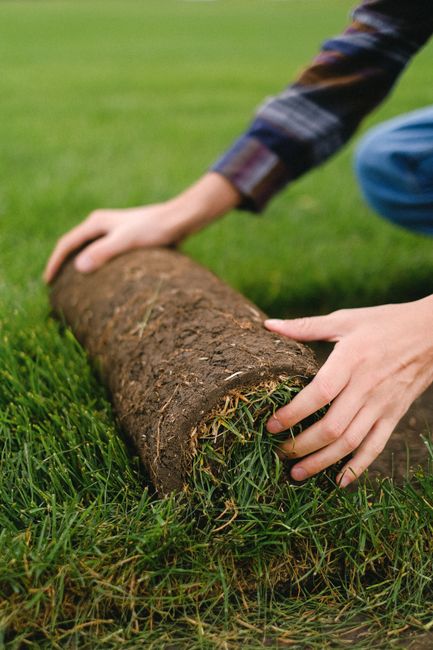
- Patch repair with seed, topsoil, or replacement turf.
- Feeding and watering matched to the season.
- Aftercare to reduce foot traffic while new grass establishes.
For example, a small worn strip near a patio might be repaired with overseeding and top-dressing. A larger dead patch from winter waterlogging may need turf replacement and improved drainage around the edge. The right fix is rarely the same everywhere on the lawn, and that is where local experience helps.
Ruislip gardeners who understand the area's gardens tend to look at the whole picture: shade from hedges or trees, soil condition, nearby hard landscaping, and whether the lawn is being used hard by people, pets, or both. It sounds obvious, but many repairs fail because the underlying cause is ignored. A patch mended in poor soil often just becomes another patch later. Bit frustrating, really.
Key Benefits and Practical Advantages
There are obvious benefits, like a greener lawn and fewer bare spots. But the practical advantages go further than that.
- Better recovery after seasonal stress: lawns bounce back more reliably after frost, heat, shade stress, or heavy rainfall.
- Improved appearance: repaired turf gives the garden a tidier, more finished look without needing a full redesign.
- Safer underfoot: levelled and repaired areas reduce trip hazards caused by ruts, holes, or loose patches.
- Lower long-term repair costs: early intervention is usually cheaper than letting the whole lawn deteriorate.
- More usable garden space: a repaired lawn gets used more, whether that means play, seating, or simply walking across without dodging muddy areas.
There is also a less obvious benefit: confidence. Once the lawn starts looking cared for, the rest of the garden often follows. People mow more consistently, edge more neatly, and keep an eye on drainage or weeds before they become a drama. It snowballs in a good way.
If the garden is part of how you relax, that matters. A scruffy lawn can quietly nag at you every time you look out the window. A healthier turf surface does the opposite. It settles the space.
Who This Is For and When It Makes Sense
Seasonal turf repair is not just for large front gardens or immaculate show lawns. It makes sense for all sorts of households and property types around Field End Road and the wider Ruislip area.
You may benefit if:
- your lawn has bare patches after winter;
- the grass has thinned under trees or beside fences;
- pets have created worn or yellowed areas;
- rain leaves the lawn squelchy or uneven;
- you want to improve kerb appeal before selling or letting a property;
- you are preparing for a better growing season and want stronger grass before summer;
- you have a lawn that looks tired every year and never quite recovers on its own.
The best time to schedule repairs depends on the problem. Spring is ideal for many recovery jobs because grass starts growing actively. Autumn is excellent for overseeding, levelling, and strengthening roots before winter. Summer repairs can work too, but they need more careful watering and more restraint with heavy use. Winter is usually for assessment, drainage fixes, and planning rather than major grass establishment.
A common local scenario is the "looks okay from a distance" lawn. Up close, though, you see the truth: thinned crowns, moss between the blades, and a couple of areas that never dry out. That lawn is telling you something. The trick is listening before the damage spreads.
Step-by-Step Guidance
If you are wondering how a proper seasonal turf repair process usually unfolds, this is the practical version. Not overly fancy, just sensible.
- Inspect the lawn carefully. Look for patch size, colour changes, compaction, drainage problems, shade patterns, and signs of disease or pest damage.
- Clear the area. Remove leaves, twigs, stones, dead grass, and any clutter that prevents light and air reaching the soil.
- Rake out thatch and moss. A light scarify or firm rake helps fresh seed or new turf bond better with the soil.
- Aerate compacted ground. If the soil feels hard underfoot or water sits on top, aeration can make a real difference.
- Level dips and hollows. Use suitable topsoil or top-dressing to even out low spots and improve growing conditions.
- Repair the damaged sections. Overseed small patches, lay turf where coverage needs to be immediate, or combine both if the area is mixed.
- Apply feed where appropriate. Seasonal feeding should support recovery, but it must suit the time of year and the grass condition.
- Water properly. Keep new seed or turf moist, not flooded. Consistency matters more than dramatic soaking.
- Reduce traffic. Let the repaired areas settle. A few weeks of care now can save months of regret later.
- Monitor and touch up. Check for gaps, uneven growth, or weeds that sneak in while the lawn is recovering.
That sequence sounds simple, but the quality of the result comes from judgement. For instance, overwatering can be just as unhelpful as underwatering. And if the soil is badly compacted, seed alone may struggle. The repair needs the right foundation.
Expert Tips for Better Results
Here are the practical details that make a noticeable difference. These are the sort of things experienced gardeners tend to notice straight away.
1. Match the repair method to the season. Spring and autumn are often the sweet spots for grass recovery. In warmer months, choose timing and watering carefully so the new growth does not dry out in a day or two.
2. Do not chase perfection too fast. A lawn repair is not a magic trick. Even when done well, seed needs time to establish and turf needs time to knit into the soil. Patience helps. A lot.
3. Deal with shade honestly. Some areas will never perform like full-sun lawn. Under a dense hedge, near a fence, or beside mature trees, the answer may be improved care, selective repair, or a different planting strategy entirely.
4. Improve the soil, not just the surface. If the ground is poor, thin grass will keep reappearing. Top-dressing, aeration, and sensible feeding often matter more than people expect.
5. Keep mower blades sharp. Ragged cuts stress the turf and make repaired areas look worse. A clean cut helps grass recover faster and stay tidier.
6. Watch the edges. Lawns often fail at the margins first, especially along paths, driveways, and borders. Rebuilding those edges can dramatically improve the whole look.
A small aside: the lawn can look almost smug after a good repair, especially in that soft early-morning light when the grass is still beaded with moisture. A bit cheesy, maybe, but true.
Common Mistakes to Avoid
Most turf repair problems come from a few repeat mistakes. The good news? They are avoidable.
- Repairing without diagnosing: if drainage or shade is the real issue, surface fixes will be temporary.
- Using too much seed: crowding seed can weaken establishment instead of strengthening it.
- Skipping soil preparation: seed dropped onto poor, compacted ground often struggles.
- Cutting too soon: fresh growth needs time before the mower comes out.
- Overfeeding at the wrong time: the wrong feed at the wrong season can encourage weak growth.
- Letting the lawn dry out unevenly: new turf and seedlings need steady care, not a feast-or-famine watering pattern.
- Ignoring surrounding conditions: nearby trees, paving, and drainage all influence the result.
One common mistake in busy households is trying to "quick fix" a lawn right before an event. Usually that means pressure, rushed prep, and not enough aftercare. Sometimes you can improve appearance quickly, yes, but proper recovery still needs a little breathing room. No shortcut is quite as clever as it looks.
Tools, Resources and Recommendations
Good turf repair does not always need a large toolkit, but the right tools make the job cleaner and more efficient.
- Spring-tine rake or lawn rake: useful for removing thatch, dead grass, and loose debris.
- Scarifier or dethatching tool: helpful for thicker lawns with built-up organic matter.
- Fork or aerator: used to relieve compaction and help air, water, and nutrients reach the roots.
- Topsoil or top-dressing mix: used for levelling small dips and supporting new seed.
- Quality seed or replacement turf: important for matching the existing lawn and achieving a tidy finish.
- Watering can or hose with a gentle setting: especially useful for keeping seedbeds evenly moist.
- Hand trowel and edging tool: useful for neat repairs around borders and paths.
If you are comparing lawn care support more broadly, it can help to look at garden maintenance as part of the picture, especially if the lawn is just one part of a wider seasonal tidy-up. For larger jobs, combining turf work with landscape gardening or landscaping can make sense when levels, borders, or access issues also need attention.
If the lawn problems are tied to an overgrown garden, soggy corners, or heavy debris, a broader reset through garden clearance may be the smarter starting point. And if the turf damage is part of a larger seasonal refresh, some homeowners also pair it with lawn mowing to keep the recovery area neat and manageable.
Law, Compliance, Standards, or Best Practice
For most home turf repairs, there is no special legal process to worry about. Still, a few best-practice points are worth keeping in mind.
If work is being carried out by a gardener or contractor, it is sensible to ask about insurance, safe working methods, and how any waste or green material will be handled. That is especially relevant where tools, powered equipment, or ladder work are involved elsewhere on the property. A reputable firm should be comfortable discussing insurance and safety in plain language.
Noise, access, and neighbour consideration matter too. Early-morning work, shared boundaries, and parking near Field End Road can create small frictions if nobody plans ahead. Nothing dramatic, just enough to be annoying. Good communication sorts most of that out quickly.
Where green waste is removed, responsible handling and recycling are good practice. If you want to understand how a business approaches that side of the job, take a look at recycling and sustainability. It is a simple sign that a company thinks beyond the immediate task.
Finally, if you are getting quotes, clarity matters. Written scope, timing, access arrangements, and aftercare expectations help avoid misunderstandings. You can explore pricing and quotes to see how a straightforward enquiry process should be presented.
Options, Methods, or Comparison Table
Not every damaged lawn needs the same fix. Here is a practical comparison of the main approaches used in seasonal turf repairs.
| Method | Best For | Typical Strengths | Things to Watch |
|---|---|---|---|
| Overseeding | Thin lawns, light bare patches, general recovery | Cost-effective, improves density, supports long-term resilience | Needs time, moisture, and good soil contact |
| Patch turfing | Small dead areas, high-visibility spots, worn paths | Fast visual improvement, cleaner finish | Needs matching turf and careful levelling |
| Top-dressing and levelling | Minor dips, uneven surface, poor seedbed | Improves surface quality and future growth | Not enough on its own for badly damaged lawns |
| Aeration and scarifying | Compaction, moss, thatch build-up | Helps the lawn breathe and absorb water | Can look rough briefly before recovery starts |
| Drainage-led repair | Soggy lawns, puddling, waterlogged edges | Targets the root cause of repeated failure | May require more planning and labour |
In practice, the best results often come from combining methods. A patch of turf laid over compacted, waterlogged soil is still at risk. A seeded lawn that has not been aerated may struggle to establish. It is rarely one magic fix. More often, it is a sensible sequence of small fixes.
Case Study or Real-World Example
A typical local example: a front lawn on a residential stretch near Field End Road had two main problem areas. One strip sat in partial shade by a hedge and had thinned badly over winter. A second patch near the driveway had become compacted from regular foot traffic and deliveries. The lawn looked patchy from the road and even patchier up close.
The repair plan was straightforward but not rushed. First, the surface was cleared and the compacted area aerated. Then the shaded strip was raked, lightly top-dressed, and overseeded with a grass mix more suited to lower light. The driveway edge needed a more visible fix, so a small section was re-turfed after levelling the soil. Aftercare included measured watering and a temporary reduction in foot traffic for the repaired areas.
Within a few weeks, the lawn looked more even, and the homeowner stopped treating the worst spots like a daily headache. Not perfect, not overnight, but clearly improving. That is the realistic goal with seasonal turf repairs: better structure, better recovery, and a lawn that stops fighting you every month.
Practical Checklist
Use this before starting or booking seasonal turf repairs.
- Check whether the issue is patchy growth, compaction, drainage, shade, pets, or a combination.
- Inspect the lawn after rain and again during a dry spell.
- Identify the worst-affected areas and decide if they need seed, turf, levelling, or drainage work.
- Remove debris, moss, and loose material before repair begins.
- Make sure the soil is prepared well enough for new growth to establish.
- Choose the season that gives the lawn the best recovery window.
- Plan watering, mowing, and traffic control for the recovery period.
- Consider whether the lawn problem is part of a bigger garden maintenance issue.
- Ask for clear pricing and aftercare guidance if using a professional.
- Allow enough time for the grass to settle before judging the result.
Quick expert summary: the best turf repairs are not just cosmetic touch-ups. They fix the surface, improve the soil beneath it, and match the timing to the season. That combination is what gives you a lawn that actually lasts.
Conclusion
Field End Road seasonal turf repairs by Ruislip gardeners are about more than making a lawn look presentable for a weekend. They are about understanding what the lawn is telling you, choosing the right repair method for the season, and giving the grass a fair chance to recover. Done well, the result is a lawn that feels healthier, looks tidier, and handles everyday use without falling apart at the first sign of weather or wear.
If your grass has started to look tired, patchy, or stubbornly uneven, the sensible next step is to assess the cause properly rather than keep applying quick fixes. A little local knowledge goes a long way, especially where shade, drainage, and seasonal change all play a part.
Get a free quote today and see how much you can save.
And if you do tackle the lawn this season, give it time. A good repair grows in quietly, then all at once the garden feels better under your feet.
Frequently Asked Questions
What do seasonal turf repairs involve?
Seasonal turf repairs usually include clearing the lawn, improving the soil surface, fixing bare or weak areas, and supporting recovery with the right watering and aftercare. The exact mix depends on the season and the condition of the grass.
When is the best time for turf repair in Ruislip?
Spring and autumn are generally the most reliable seasons for turf repair because the grass is actively growing and temperatures are usually more forgiving. Summer repairs can work too, but they need more careful watering.
Should I overseed or lay new turf?
Overseeding is often better for thin lawns and small bare patches. New turf is usually the better choice where you need immediate coverage, stronger visual improvement, or a repair on a more obvious worn area.
Why does my lawn keep going patchy in the same place?
Repeated patchiness often points to an underlying issue such as shade, poor drainage, compacted soil, or heavy foot traffic. Fixing the surface alone may not solve it.
Can seasonal turf repairs help with moss?
Yes, but only if the conditions causing moss are addressed too. Moss often appears where grass is weakened by shade, dampness, compacted soil, or low fertility.
How long does it take for repaired turf to establish?
That depends on the method used, the season, and the weather. Seeded repairs take longer than fresh turf, while both need steady care and limited foot traffic during establishment.
Do I need a full lawn replacement if the grass is tired?
Not necessarily. Many tired lawns can be improved with aeration, top-dressing, overseeding, and selective turf repair. A full replacement is usually only needed when damage is severe or widespread.
Will turf repairs work in shady gardens?
They can, but shady areas need a more realistic approach. You may need a grass mix better suited to lower light, improved airflow, and perhaps more selective repair rather than treating every part of the lawn the same.
How much maintenance does a repaired lawn need?
Usually more care at first, then a sensible routine after establishment. That means proper mowing, watering when needed, feeding at the right time, and keeping on top of weeds or new bare spots.
Can I combine turf repair with other garden work?
Yes, and it often makes sense. Many homeowners combine lawn repairs with broader tidy-up work such as hedge trimming, clearing, edging, or general maintenance so the whole garden improves together.
Are seasonal turf repairs suitable for front gardens near the road?
Absolutely. In front gardens, turf repairs can improve kerb appeal and make the entrance feel much more cared for. They also help with wear caused by regular foot traffic to doors, bins, and driveways.
What should I ask before hiring a gardener for turf repair?
Ask what caused the damage, which repair method they recommend, how long establishment may take, what aftercare is needed, and whether they can explain their pricing clearly. Straight answers are always a good sign.