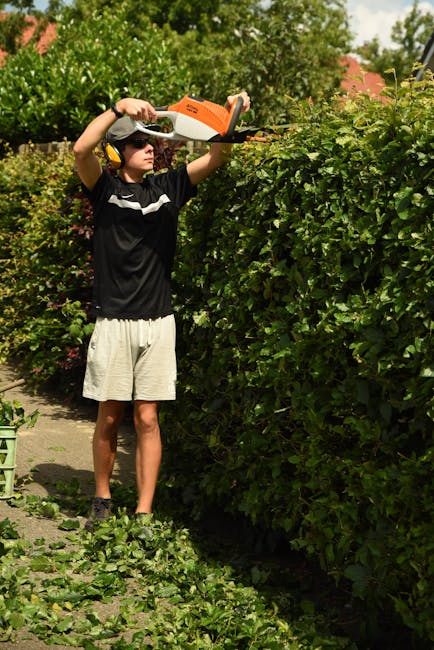
Booking gardeners in Ruislip at short notice what to expect
If you have just realised the lawn looks wild, the hedge is getting out of hand, or a garden clearance needs doing before visitors arrive, booking gardeners in Ruislip at short notice can feel like a small rescue mission. The good news? In many cases, it is perfectly manageable. The less good news is that last-minute work usually works best when you know what to expect: availability may be tighter, the quote may depend on the amount of work, and the garden team may need clear access and a quick decision from you.
This guide explains how short-notice garden bookings typically work in Ruislip, what kinds of jobs are often realistic at speed, where the risks are, and how to get a smoother result without the usual back-and-forth. If you want a broader view of available work, it also helps to look at a provider's services overview and, where relevant, the details for garden maintenance or garden clearance.
Table of Contents
- Why booking gardeners at short notice matters
- How short-notice booking works
- Key benefits and practical advantages
- Who this is for and when it makes sense
- Step-by-step guidance
- Expert tips for better results
- Common mistakes to avoid
- Tools, resources and recommendations
- Law, compliance, standards, or best practice
- Options, methods, or comparison table
- Case study or real-world example
- Practical checklist
- Conclusion
- Frequently asked questions
Why booking gardeners in Ruislip at short notice matters
Short-notice garden work is not just about convenience. Quite often, it is about timing. A property may need to look presentable for a viewing, a family event, or after a windy spell has scattered branches and leaves everywhere. Sometimes the front garden is fine, but the back garden has become a bit of a jungle after a few weeks away. Truth be told, life happens.
In Ruislip, where many gardens balance neat lawns, hedges, borders, and paving, a quick turnaround can make a noticeable difference to how the whole property feels. A tidy hedge, a cut lawn, and a cleared path can change a space from stressful to usable in a single visit. That is why short-notice bookings are so useful: they help you regain control before the job snowballs into something bigger.
It also matters because rushed booking decisions can go wrong if you are not clear on scope. What looks like "a quick tidy" might actually be hedge trimming, lawn mowing, waste removal, and perhaps a bit of green waste recycling. If you understand the likely process beforehand, you are much less likely to be surprised when the team arrives and starts asking sensible questions.
How booking gardeners in Ruislip at short notice works
Short-notice gardening is usually simpler than people imagine. You contact the company, describe the job, share a few photos if you can, and ask whether the work can be done urgently or at the earliest available slot. A good local team will then judge three things quickly: how long the job may take, what tools and waste handling are needed, and whether the garden is safe and accessible.
There is often a trade-off with last-minute work. The more exact the job can be described, the easier it is for the gardener to say yes, give a realistic time window, and avoid rework. For example, "lawn mowing, hedge tidy, and leaf clearance" is much clearer than "the garden needs sorting out." Both are understandable, of course, but one saves everyone time.
Many jobs can be handled as a same-day or next-day visit if the scope is modest. Larger work, such as full garden clearance or more complex landscaping tasks, may need a slightly longer lead time. If tree work is involved, such as branches overhanging a boundary or storm damage, it may be better to review tree lopping and removal separately, because access, safety, and waste removal all become more important.
You can also expect a provider to check practical things before confirming. Do they need side access? Is there space for a van? Are pets secure? Is there standing water, broken paving, or hidden trip hazards? These are not awkward questions. They are the kind that stop a short job turning into a long afternoon.
Key benefits and practical advantages
There are some clear upsides to booking gardeners quickly, especially when the work is straightforward and the garden has been neglected for a short period rather than a long one.
- Fast visual improvement: mowing, trimming, and clearing produce visible results very quickly.
- Less stress: you do not have to spend your evening wrestling with a hedge trimmer after work.
- Reduced risk of the job getting worse: weeds, overgrowth, and damp leaf build-up are easier to tackle early.
- Flexible support: a short visit can be enough to restore order before a more detailed tidy later.
- Better property presentation: useful for guests, tenants, photos, or a quick sale-ready refresh.
There is also a practical side that people overlook. A tidy garden is easier to inspect. Slippery paving, damaged edging, or hidden rubbish can be spotted once the overgrowth is cut back. That alone can be worth the visit, because you can then decide what needs a second phase and what does not.
If you are weighing up maintenance against a full reset, it helps to compare the job against regular lawn mowing or longer-term hedge trimming. Short-notice work is often a first step, not the final answer. And that is fine.
Who this is for and when it makes sense
Short-notice garden booking is a sensible option for a wide mix of people. Homeowners often use it before family events, holiday returns, or after realising that a month of rain has turned a manageable garden into a messy one. Landlords and tenants use it when a property needs to be handed over neatly. Property managers may need a quick turnaround after a vacant home sits unkept for a while.
It also makes sense if you have physical limits, a packed diary, or simply do not want to rush through the work yourself. Let's face it, garden jobs often take longer than they look, and a Sunday afternoon can disappear fast once you start bagging cuttings and moving bins around.
Short notice is especially helpful in these scenarios:
- the front garden is affecting first impressions
- an overgrown hedge is blocking light or access
- the lawn has grown too long for a quick DIY cut
- you need weeds, leaves, or debris cleared promptly
- you want a tidy-up before an event, inspection, or move-in
If the job is more than a straightforward tidy, a more suitable route might be ongoing garden maintenance or a more structured landscaping plan. Quick booking gets the garden back under control; maintenance keeps it that way. Different jobs, different rhythm.
Step-by-step guidance
1. Decide what actually needs doing
Before you contact anyone, walk around the garden and note the essentials. Is it mainly mowing, trimming, clearance, or a mix? A short list helps you avoid vague requests and gives the gardener a realistic idea of what can be done at speed.
2. Take a few clear photos
Photos are incredibly useful. Stand back a little and show the full area, then take a couple of close shots of the worst sections. If there are tight access points, a locked gate, or a large amount of waste, show that too. You will often get a better response simply because the team can judge the job properly.
3. Ask about earliest availability and scope
Be direct. Say when you need the work done, what level of urgency you have, and whether the job can be split if needed. A useful question is: "What can be done on the first visit, and what would need another appointment?" That keeps expectations grounded.
4. Clarify access and waste removal
Access matters more than people think. Can a mower get in? Is there a side passage? Will the team need to carry cuttings through the house? Is the waste to be left bagged, or removed as part of the service? This is where short-notice jobs can suddenly become straightforward, or not so straightforward.
5. Confirm price and payment details
A reputable provider should explain how the price is formed, whether it is fixed or estimated, and whether waste removal is included. For more context on this, it is worth reviewing pricing and quotes and payment and security so you know what the business expects and how payment is handled.
6. Prepare the garden before the team arrives
Move toys, furniture cushions, fragile pots, and anything that might get in the way. If you have pets, keep them secured. If bins, hoses, or tools are scattered around, gather them up. Five minutes of prep can save a lot of stop-start work.
7. Walk the job through on arrival
When the gardeners arrive, take a minute to show them the priorities. Point out the areas you care about most, any delicate plants, and any sections to avoid. A calm five-minute handover can prevent misunderstandings later on. Simple, really.
Expert tips for better results
There are a few habits that make a short-notice booking much smoother, and they are often the difference between a decent job and a good one.
- Be specific about priority: if only part of the garden matters today, say so.
- Separate urgent from non-urgent work: if the lawn must be cut but the borders can wait, make that clear.
- Ask what equipment is being brought: especially for hedge work, heavier clearance, or awkward access.
- Check whether cuttings will be removed: do not assume they will be, because sometimes they are left neatly stacked or bagged.
- Leave a little margin in your schedule: traffic, parking, and access around Ruislip can all add a small delay.
One practical tip that people rarely mention: if you are hoping for a same-day visit, answer calls and messages promptly. A good slot can disappear in minutes. No joke, really. The same goes for any gate codes, parking notes, or instructions about shared driveways.
It is also wise to think ahead about sustainability. If you are having a major tidy-up, ask whether the team can separate reusable green waste sensibly and follow a responsible disposal approach. You can read more about this on the site's recycling and sustainability page.
Common mistakes to avoid
The biggest mistake is assuming every job can be squeezed into a short slot. Some can. Some really cannot. If the hedge is badly overgrown, the lawn is knee-high, and there is a pile of old branches in the corner, it may still be manageable, but it needs proper expectation-setting.
Other common slip-ups include:
- under-describing the job and expecting a full garden transformation
- forgetting to mention access issues until the team arrives
- leaving valuables, ornaments, or tools in the work zone
- not confirming waste removal before the visit
- assuming short notice always means cheap
That last point matters. Urgent work is about speed and logistics as much as effort. A simple lawn cut may still be very reasonable, but heavier clearance, difficult access, or extra disposal can affect the overall cost. Better to know that early than pretend it is a surprise later.
Another one: do not book a quick job and then keep changing the brief halfway through. Gardeners are adaptable, but the more the scope changes, the less "short notice" remains short. Everyone ends up losing time.
Tools, resources and recommendations
You do not need specialist tools yourself if you are hiring a gardener at short notice, but a few things can help the visit go more smoothly.
- A phone with camera: for sharing photos of the garden before the booking.
- Simple access notes: gate codes, parking details, and where to enter.
- A quick written priority list: useful if you are not going to be home when work starts.
- Outdoor gloves and bin bags: handy if you want to do a little prep beforehand.
- Pet containment: a secure indoor space or a separate run for the day.
When choosing the actual service, think in terms of the job outcome rather than just the task name. A one-off tidy may overlap with lawn mowing, hedge trimming, or garden clearance. If you want a broader tidy and a longer-term plan after that, a look at about us can also help you judge the company's approach and whether it suits the way you like to work.
If you are comparing teams, look for plain-English communication, clear pricing, and a sensible attitude to safety and property care. That matters more than flashy wording. It just does.
Law, compliance, standards, or best practice
For most household garden jobs, the practical focus is less about formal paperwork and more about safe, competent working. Still, there are a few best-practice points worth keeping in mind.
A professional gardener should work carefully around tools, sharp edges, heavy cuttings, slippery surfaces, and obstacles. If there is any tree work, large debris, or awkward height involved, safety becomes even more important. It is reasonable to ask how the work will be carried out and whether the team is insured. A sensible company should be able to speak clearly about this, and you can review the site's insurance and safety information for more context.
It is also good practice to respect neighbouring boundaries, keep paths clear, and avoid damaging shared features such as fences or overhanging plants without agreement. If the job touches a boundary hedge or shared access point, a bit of communication saves awkwardness. British gardens are lovely, but they can be socially complicated in the smallest way.
For customer protection and clear expectations, written quotes, agreed payment terms, and a simple complaint route are all helpful. If you want to understand how a business structures those basics, the pages on terms and conditions and complaints procedure are worth a look. They are not exciting reading, admittedly, but they do matter.
Options, methods, or comparison table
Not every last-minute garden job should be approached the same way. Sometimes you need a one-off tidy. Sometimes a focused task. Sometimes a bigger intervention. Here is a simple way to compare the most common options.
| Option | Best for | Typical strengths | Possible limitations |
|---|---|---|---|
| One-off tidy-up | Overgrowth, leaves, light weeding, general reset | Quick results, flexible booking, low commitment | May not solve deeper maintenance issues |
| Targeted task visit | Lawn mowing, hedge trimming, clearance, or a single visible problem | Efficient, easy to brief, often easier to fit in at short notice | Only addresses one area, so the rest may still need attention |
| Garden maintenance plan | Recurring upkeep after the urgent job is done | Helps stop the garden slipping back, more predictable | Less suited to immediate same-day rescue work |
| Landscaping or reworking | Layout changes, new features, larger improvements | Useful for long-term value and usability | Rarely a true short-notice job |
If you are genuinely in a hurry, the sweet spot is usually a targeted task or a one-off tidy. That is where short-notice bookings shine. More ambitious work can still be planned, but it needs a different mindset and usually a bit more time.
Case study or real-world example
Picture a typical Friday in Ruislip. A homeowner has family arriving on Sunday, but the back garden has had three weeks of rain, a patchy lawn, and a hedge that has started to lean into the path. They do not need a full redesign. They just need the space to feel like it belongs to the house again.
They send a short message with three photos: the lawn, the hedge, and the patio corner where leaves have gathered. They explain that access is through a side gate, the dog can be kept inside, and they mainly want the garden to look tidy for the weekend. The gardener confirms a next-day slot, turns up with the right equipment, trims the hedge, cuts the lawn, clears the leaves, and bags the cuttings. The visit takes a couple of hours, not a full day.
What made it work? Not magic. Just a clear brief, quick photos, and a realistic expectation of what could be done in one visit. The homeowner did not ask for perfection. They asked for order. That is usually the right starting point.
Afterward, they decide to book a follow-up visit for a few border weeds and a proper seasonal tidy. Sensible, really. One job sorted, the next one planned.
Practical checklist
Use this quick checklist before your short-notice booking. It saves time, and it saves those slightly awkward "oh, I forgot to mention..." moments.
- Know the main priority: mowing, trimming, clearance, or mixed work
- Take clear photos of the garden from a few angles
- Check gate access, parking, and any side passage entry
- Move toys, furniture, fragile pots, and loose tools
- Secure pets and make the work zone easy to reach
- Confirm whether waste removal is included
- Ask how the price is calculated
- Share any delicate plants or areas to avoid
- Decide whether this is a one-off visit or the start of ongoing maintenance
- Keep your phone handy in case the gardener needs a quick clarification
Practical summary: the better you describe the garden, the easier it is for a short-notice team to say yes, arrive prepared, and complete the work without fuss. That is the whole game, really.
If you are ready to move from planning to action, the next sensible step is to make an enquiry and be as specific as you can. If you want to see how the service is presented, you can also review the company's contact options and compare them against the scope of work you need.
Conclusion
Booking gardeners in Ruislip at short notice is usually straightforward when the job is clear, the access is sensible, and expectations are realistic. In many cases, a fast visit can take the edge off an overgrown garden and make the space feel usable again before the day is out.
The main thing to remember is that short notice does not have to mean chaos. It just means you need to be a little more organised with your brief. Clear photos, honest priorities, and a quick decision on access and waste removal can make the difference between a rushed, frustrating experience and a tidy, calm one.
Get a free quote today and see how much you can save.
And if you do get that last-minute garden sorted, there is a quiet relief in it. The kind where you step outside, hear the grass underfoot, and think: yes, that's better.
Frequently Asked Questions
How quickly can gardeners usually come out in Ruislip?
It depends on the time of year, the size of the job, and the team's diary. Simple tasks such as mowing or a light tidy can sometimes be fitted in very quickly, while larger clearances or hedge work may need a little more notice.
What details should I give when booking at short notice?
Share the main task, the size of the garden, access details, whether pets are present, and a few photos if possible. That usually gives the gardener enough to judge whether the job can be done promptly.
Is a same-day gardening visit realistic?
Sometimes, yes. Same-day work is more realistic for small or medium jobs with easy access. If the garden is heavily overgrown, or if waste removal is substantial, next-day or later may be more likely.
Will I pay more for a last-minute booking?
Not always, but urgency can affect the quote if the job requires extra logistics, heavy lifting, or disposal. The cleanest approach is to ask how the price is being built before confirming.
What kind of jobs are best for short notice?
Lawn mowing, hedge trimming, leaf clearance, light weeding, and basic tidy-ups are often the easiest to arrange quickly. Full landscaping or large redesigns are usually better planned in advance.
Do I need to be home when the gardeners arrive?
Not necessarily, but it helps if access and instructions are very clear. If you will not be there, leave a contact number, gate instructions, and a short list of priorities.
What should I do before the gardeners arrive?
Clear the area of toys, tools, fragile pots, and anything you do not want moved. Secure pets and make sure the route into the garden is open. Five minutes now can save a lot later.
Can short-notice bookings include waste removal?
Often yes, but it should be confirmed. Some jobs include green waste removal as part of the service, while others may leave material bagged or stacked for you to dispose of separately.
What if I only need part of the garden done?
That is completely fine. In fact, it is often the best approach for urgent work. Say which part matters most, and the team can focus on the visible priority first.
How do I know if the gardener is a good fit for urgent work?
Look for clear communication, sensible questions about access and scope, and straightforward answers about price and timing. A good fit usually feels organised rather than rushed, even when the job itself is urgent.
Should I choose garden clearance or maintenance for a quick booking?
If the garden is cluttered, overgrown, or full of cuttings, garden clearance may be more relevant. If it is mostly a tidy-up with mowing and trimming, maintenance might be closer to what you need.
What happens if the job is bigger than expected?
A decent gardener should explain the situation clearly and suggest the best way forward, whether that means extending the visit, booking a second appointment, or narrowing the priorities. That sort of honesty is a good sign, frankly.